


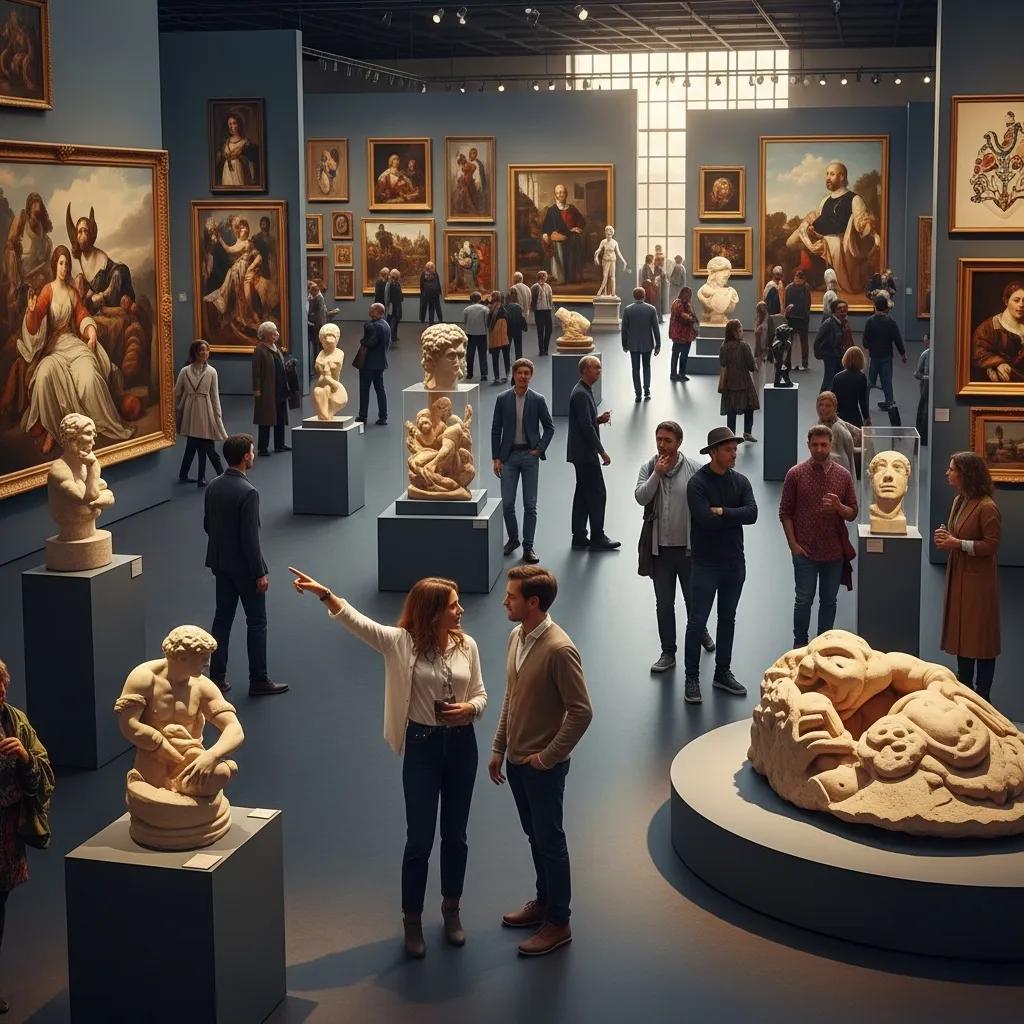
Discover Diverse Art Collections Online: How to Explore and Appreciate Art Collection Diversity
Art collections serve as a vital bridge between cultures, histories, and artistic expressions, allowing individuals to engage with diverse perspectives. This article delves into the significance of art collections, exploring their types, characteristics, and the importance of diversity within them. Readers will learn how to navigate both online and physical art exhibitions, discover renowned collections worldwide, and understand the cultural significance of various art styles. As we explore these themes, we will also highlight how platforms like Avalon Gallery facilitate the discovery of diverse art collections, enriching the audience’s experience through educational content.
What Are Art Collections and Why Are They Important?
Art collections are curated groups of artworks that reflect the tastes, interests, and cultural backgrounds of their collectors. They play a crucial role in preserving cultural heritage, providing educational opportunities, and fostering appreciation for the arts. By showcasing a variety of artistic expressions, art collections contribute to a broader understanding of cultural narratives and historical contexts. Furthermore, they serve as a resource for researchers, educators, and the general public, enhancing community engagement and cultural dialogue.
Defining Art Collections: Types and Characteristics
Art collections can be categorized into several types, each with unique characteristics that define their purpose and appeal.
- Modern Art Collections: These focus on contemporary works, often reflecting current societal issues and artistic trends.
- Historical Art Collections: These feature artworks from specific historical periods, providing insights into the cultural and social dynamics of their time.
- Digital Art Collections: These collections showcase art created or displayed in digital formats, highlighting the intersection of technology and creativity.
Each type of collection offers distinct opportunities for exploration and appreciation, catering to diverse audiences and interests.
How Can You Explore Different Types of Art Collections?


Exploring art collections can be an enriching experience, and there are various methods to engage with them:
- Online Resources: Many galleries and museums offer virtual tours and online exhibitions, allowing you to explore collections from the comfort of your home.
- Visiting Physical Exhibitions: Attending exhibitions in person provides a tactile experience, allowing you to appreciate the scale and detail of artworks.
- Engaging with Art Communities: Joining local art groups or online forums can enhance your understanding and appreciation of different art forms.
Avalon Gallery, for instance, serves as a platform dedicated to showcasing diverse art collections, fostering audience engagement through educational and inspirational content.
Navigating Online Art Collections and Virtual Exhibitions
Navigating online art collections requires familiarity with various platforms and tools. Popular online galleries often feature user-friendly interfaces that allow for easy exploration of artworks. Tips for effective navigation include:
- Utilizing search filters to find specific artists or styles.
- Participating in virtual events or webinars hosted by galleries to gain deeper insights.
- Taking advantage of interactive features that allow for zooming in on details of artworks.
Virtual exhibitions have become increasingly popular, offering a unique way to experience art without geographical limitations.
Visiting Physical Art Exhibitions: Tips and Best Practices
When planning to visit physical art exhibitions, consider the following tips to enhance your experience:
- Planning Your Visit: Check exhibition schedules and book tickets in advance to avoid long lines.
- What to Look For: Pay attention to the themes and narratives presented in the artworks, as they often reflect broader cultural contexts.
- Engaging with Artists and Curators: Take the opportunity to attend artist talks or curator-led tours to gain deeper insights into the works on display.
These practices can significantly enrich your understanding and appreciation of the art.
Which Are the Most Famous and Diverse Art Collections Worldwide?
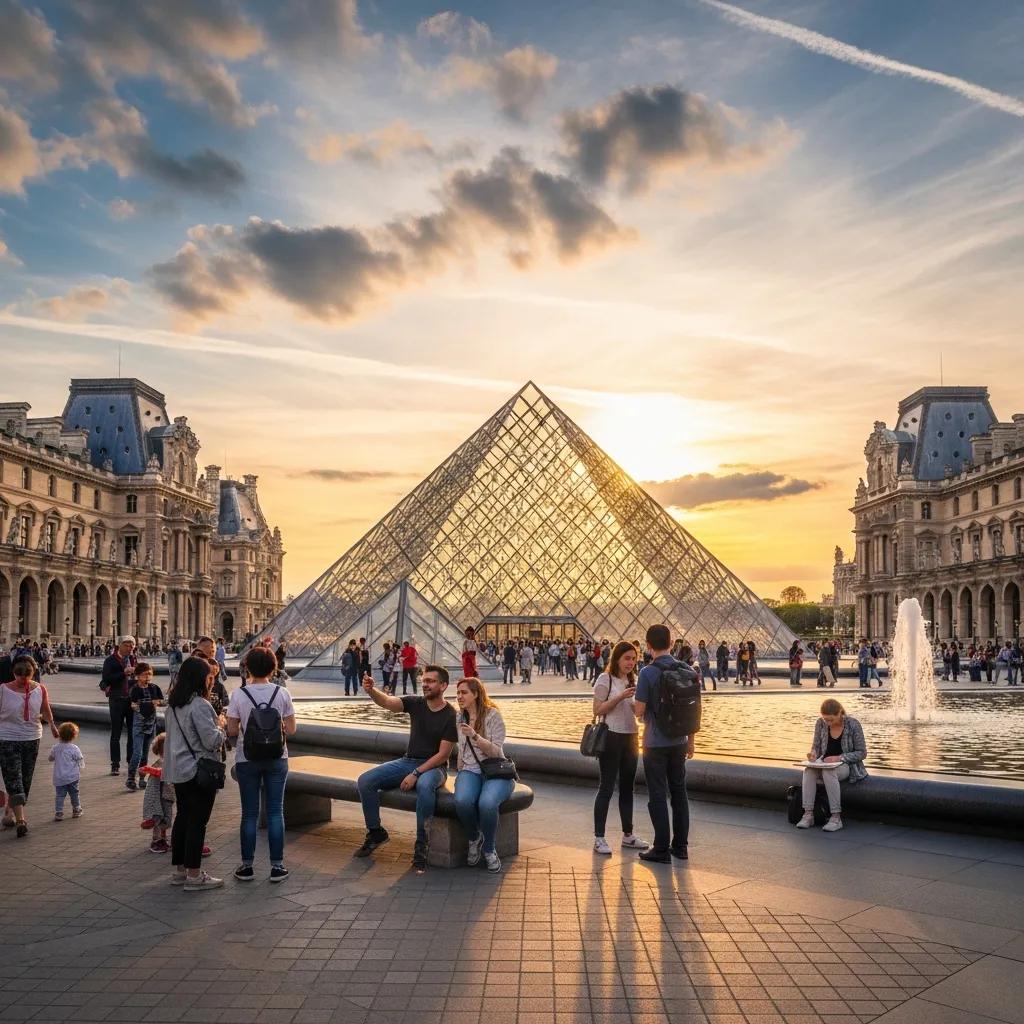
Several renowned art collections are celebrated for their diversity and cultural significance. Notable examples include:
- The Louvre: Home to thousands of works, including the Mona Lisa, it represents a vast array of cultures and historical periods.
- The British Museum: Known for its extensive collection of artifacts from around the world, it highlights the interconnectedness of global cultures.
- The Museum of Modern Art (MoMA): Focused on modern and contemporary art, it showcases innovative works that challenge traditional artistic boundaries.
These collections not only preserve art but also promote cultural understanding and appreciation.
Profiles of Renowned Art Collections and Their Cultural Significance
Understanding the cultural significance of various art collections can deepen appreciation for their contributions to society. Below is a comparison of notable collections:
This table illustrates how each collection contributes uniquely to cultural discourse and education.
How Diversity in Art Styles and Cultural Origins Enriches Collections
Diversity in art styles and cultural origins enriches collections by providing a multifaceted view of human expression. Different artistic traditions offer unique perspectives, allowing audiences to engage with a variety of narratives. This diversity fosters inclusivity and encourages dialogue among cultures, enhancing the overall appreciation of art. By showcasing works from various backgrounds, collections can challenge stereotypes and promote understanding.
Why Is Art Collection Diversity Essential for Cultural Understanding?
Art collection diversity is essential for fostering cultural understanding as it allows individuals to explore and appreciate different perspectives. Diverse collections can highlight underrepresented voices and narratives, contributing to a more inclusive cultural landscape. By engaging with a variety of artistic expressions, audiences can develop empathy and a deeper appreciation for the complexities of human experience.
Exploring Diversity in Art Styles, Periods, and Cultural Artifacts
The exploration of diversity in art styles, periods, and cultural artifacts reveals the rich tapestry of human creativity. Art styles range from traditional forms, such as painting and sculpture, to contemporary practices like installation and performance art. Each period reflects the social, political, and cultural contexts of its time, offering insights into the evolution of artistic expression. Cultural artifacts, whether ancient or modern, serve as tangible connections to our shared history.
Benefits of Diverse Art Collections for Audiences and Communities
Diverse art collections provide numerous benefits for audiences and communities, including:
- Community Engagement: They foster a sense of belonging and connection among diverse groups.
- Educational Benefits: Collections serve as valuable resources for learning about different cultures and histories.
- Cultural Enrichment: Exposure to diverse artworks enhances cultural literacy and appreciation.
These benefits underscore the importance of supporting and promoting diverse art collections within communities.
How to Start and Enhance Your Own Art Collection Experience?
Starting and enhancing your own art collection experience can be an exciting journey. Here are some steps to consider:
- Define Your Interests: Identify the types of art that resonate with you, whether it’s contemporary, historical, or a specific cultural focus.
- Research and Explore: Visit galleries, attend exhibitions, and engage with art communities to discover new artists and styles.
- Invest in Quality: When purchasing art, consider the quality and provenance of the pieces to ensure a meaningful collection.
By following these steps, you can cultivate a personal collection that reflects your unique tastes and values.
Steps to Discover and Curate Art Collections Online and Offline
Discovering and curating art collections can be approached through various methods:
- Utilize Online Platforms: Explore digital galleries and art marketplaces to find unique pieces.
- Attend Local Exhibitions: Engage with local artists and galleries to discover new works and trends.
- Join Art Groups: Participate in art clubs or online forums to share insights and recommendations with fellow enthusiasts.
These steps can enhance your ability to curate a diverse and meaningful art collection.
Leveraging Technology and Virtual Galleries for Art Exploration
Technology has transformed the way we explore art collections. Virtual galleries offer immersive experiences that allow users to engage with artworks in innovative ways. Features such as 360-degree views and interactive elements enhance the exploration process, making art more accessible to a global audience. As technology continues to evolve, it will play an increasingly important role in the future of art exploration.
What Are Emerging Trends in Art Collections and Exhibitions?
Emerging trends in art collections and exhibitions reflect the changing landscape of the art world. Some notable trends include:
- Increased Focus on Inclusivity: Many institutions are prioritizing diverse representation in their collections and exhibitions.
- Integration of Technology: Virtual reality and augmented reality are being used to enhance visitor experiences.
- Sustainability in Art Practices: Artists and collectors are increasingly considering the environmental impact of their work.
These trends indicate a shift towards a more inclusive and innovative approach to art curation and exhibition.
Integration of Technology in Art Discovery and Virtual Exhibitions
The integration of technology in art discovery has revolutionized how audiences engage with collections. Digital tools enable users to access a wealth of information about artworks, artists, and historical contexts. Virtual exhibitions allow for global participation, breaking down geographical barriers and making art more accessible. As technology continues to advance, it will further enhance the ways in which we discover and appreciate art.
Growing Interest in Inclusive and Diverse Art Representation
There is a growing interest in inclusive and diverse art representation, reflecting a broader societal shift towards equity and representation. This trend emphasizes the importance of showcasing artworks from underrepresented communities and perspectives. By promoting diverse voices in the art world, we can foster a richer cultural dialogue and enhance our understanding of the human experience.